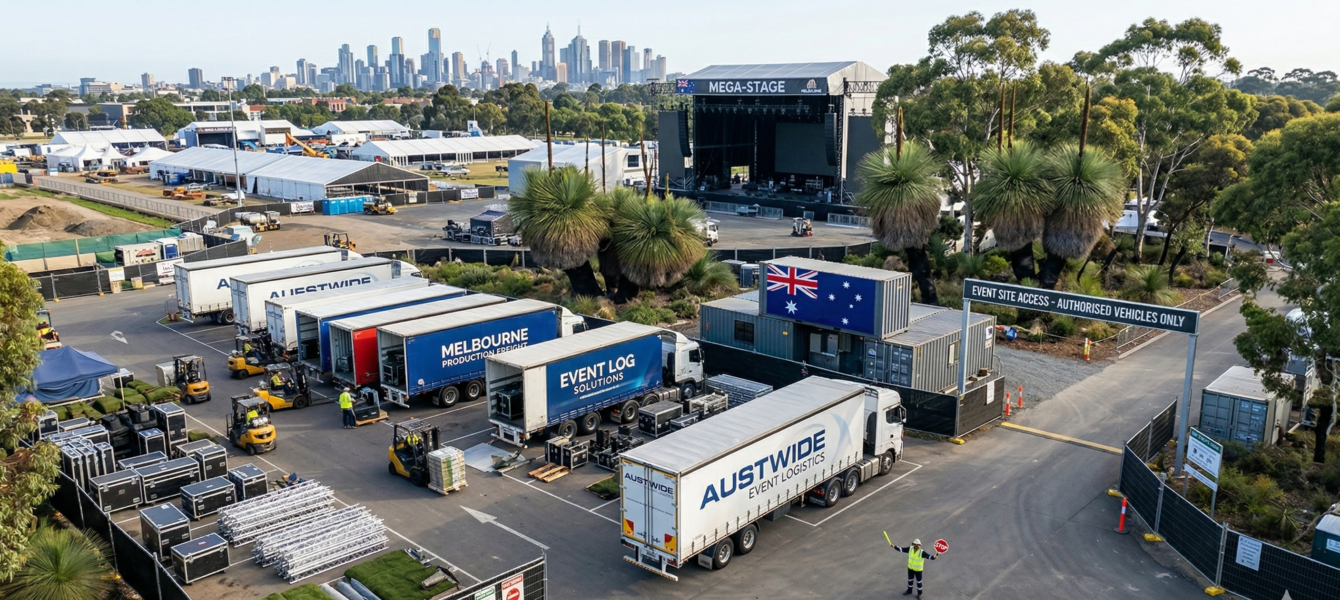
From initial strategy to location coordination, event logistics plays a critical role in the success of activations across Australia. With multiple moving parts, tight timelines and high expectations, the focus remains on detail, efficiency and ensuring every element aligns just in time for the big doors open moment of the event.
In Australia, event logistics is built on the ability to adapt to ever-changing conditions. Whether you’re supporting an art biennale in Sydney, an hospitality event in Melbourne, or a large-scale activation in Perth, logistics teams’ work behind the scenes to secure goods, manage personnel, and follow processes among rigorous schedules. Every successful project relies on the coordination of freight movements, location access and on-ground handling.
In the Australian event industry, no two days or projects look the same. Teams often operate in a hybrid roles that combine strategic planning, efficient communications, interstate travel, and real-time problem solving.
This flexibility is extremely important when you need to consider quick changes, unexpected delays, or shifting client requirements and sometimes, expectations. Logistics professionals need to balance both detail and speed to deliver attendees both exciting and fun events, while keeping operations efficient, controlled and manageable.
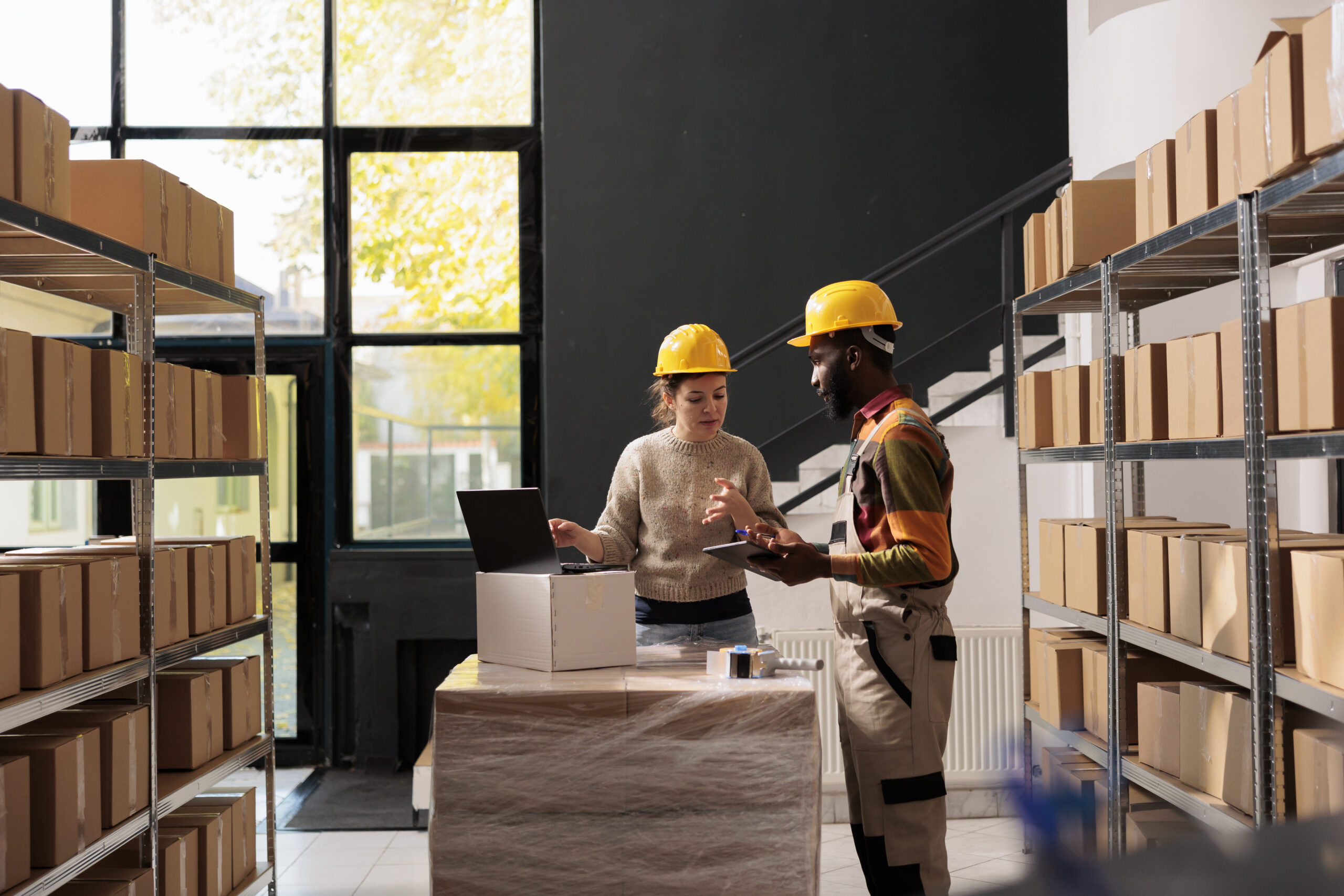
What Event Logistics Looks Like in Practice within Australia
Before the first truck even moves
Successful event logistics is built on the “digital build” that happens weeks before a physical item is ever loaded ahead of your event. To make sure you have a smooth transition from planning to the bump-in phase, it’s important to consider the following steps:
Finalise your manifest
You need to record a master list of everything that needs to be transported to your location. That includes declaring any dangerous items you may need to bring with you like batteries or AV equipment.
Know your delivery windows
Every company will have different delivery windows for when they can provide you with what you need. Make sure you have access to their vehicle booking systems so you don’t miss your slot and result in cascading delays for your vendors.
Site inspections and audits
Make sure you know what your location can and can’t facilitate. Pre-event inspection identifies critical physical constraints, such as floor load limits or elevator dimensions.
Organising vendor merch to a centralised location
Example: At a National Medical Conference in VIC, and you need to organise over 50+ vendors’ products, some of which are international. You will need to make sure that all vendor freight can be shipped to a centralised location first, such as a single offsite warehouse. This allows you to audit the gear required, and release it to the venue in a single, coordinated stream rather than managing 50 independent (and potentially late) arrivals.
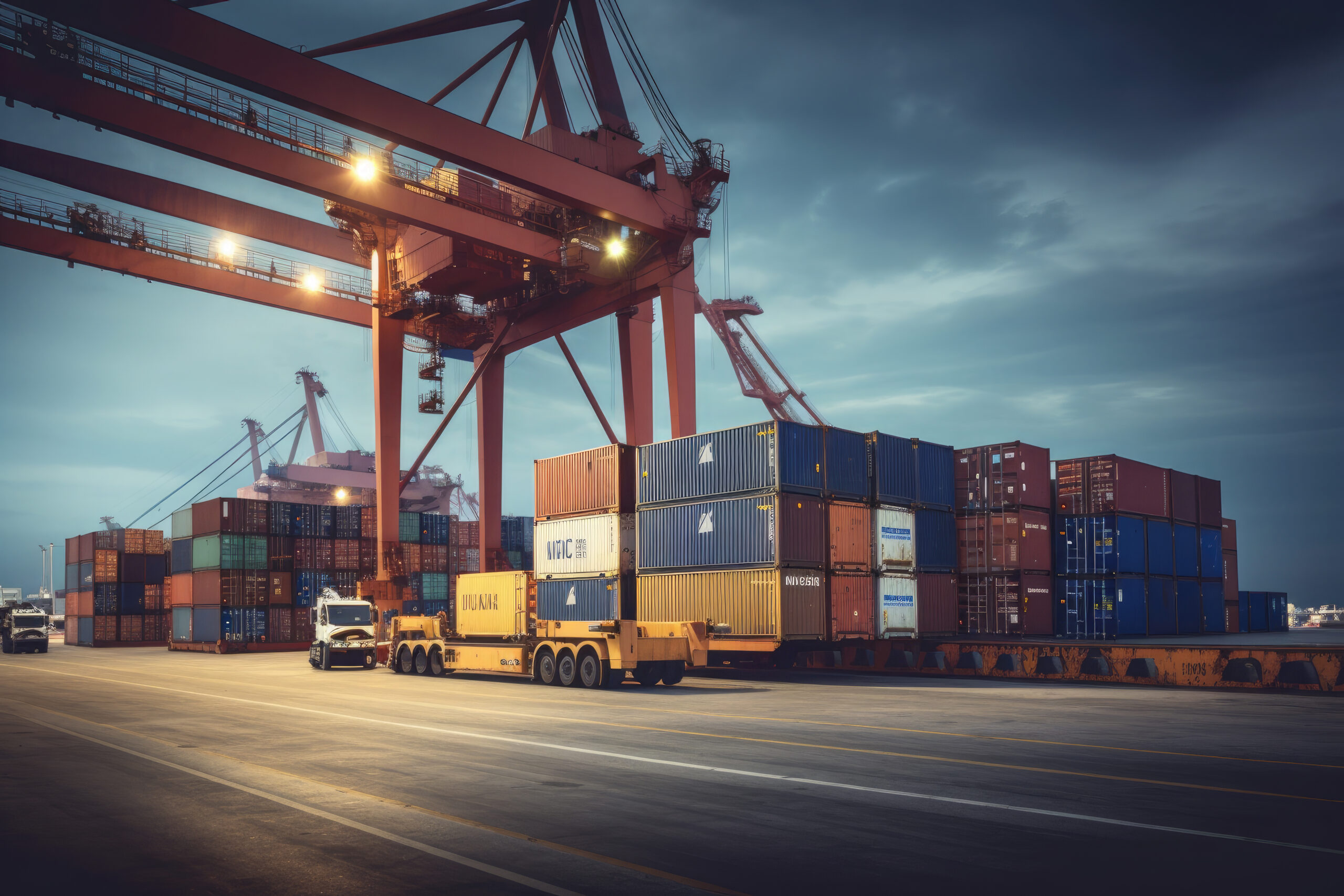
Bump-in: getting it all together at the loading dock
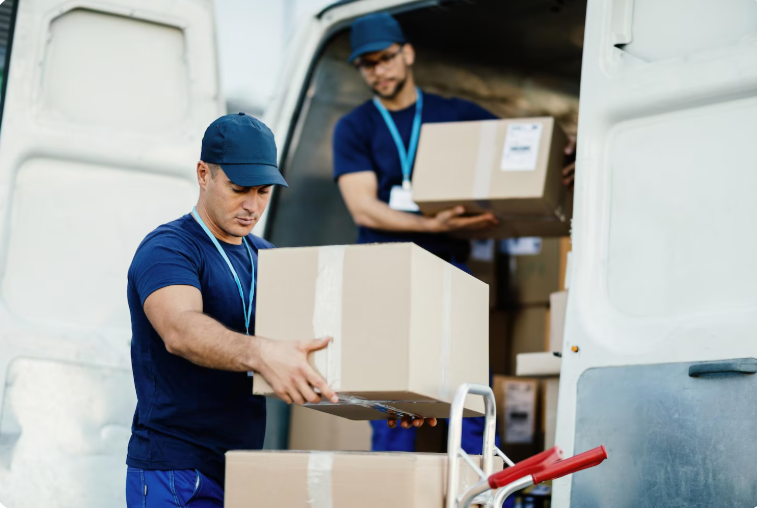
The bump-in is where all the “heavy lifting” happens. The focus shifts from the planning stage to the arrival of physical arrival and handling of vendors’ goods. Success at the loading dock does require a blend of traffic management, technical skill and following strict safety protocols. Here are some key considerations when you finally hit the dock:
The Marshalling Yard and Traffic Control
Loading docks in major cities such as Sydney or Melbourne are often located in high-traffic zones with limited to no space. Trucks often will wait in a secondary location (like a holding cell) until their specific slot opens up, their bay is clear and the scheduled window begins. This makes sure that there is a steady, one-way flow of movement and prevents the surrounding city streets from being blocked off by heavy vehicles.
Heavy Lifting Personnel
It’s important to consider who will be managing forklifts, pallet jacks and skates. These individuals in your organisation will need to hold a High Risk Work License.
The Event: the ‘Invisible’ Logistics and People Coordination
Once your event is in action, logistics is then all about replenishment and rapid response:
Replenishment cycles
Teams will need to work effectively together by making sure catering supplies, brochures or merch move from back-of-house to front-of-house without disrupting any of the attendee flow.
People coordination and movement
Logistics teams need to work with floor staff to manage any operational needs, like organising registration desks and managing event lines, to make sure people move safely and efficiently. By mapping out an attendee journey early, teams can find and resolve potential bottlenecks before they impact the guest experience.
Courier management and communications
In a live event environment, courier management is critical for the team to get it right. It requires seamless communications between the loading dock staff, the concierge, and the event floor to handle any unpredictable variables that could arise once the doors open. They will likely need to coordinate with each other on forwarding urgent inbound freight, whether it’s a guest speaker who lost their notes, or a sponsor whose banners have been delayed in transit.
Example: At a major sporting event for the NRL in NSW, logistics teams need to coordinate a schedule of food and beverage throughout the day, and deliver these to the corporate suites, taking into consideration play cycles and each hour the event is scheduled to run for, to avoid blocking any aisles and disrupting the event attendees.
The Bump-Out: The Final Leg of the Event
The bump-out covers the final leg of what needs to be done. It is often faster and more chaotic than the set-up itself. The goal is to return the venue to a “broom clean” to avoid any overtime fees.
Reverse logistics marshalling
If you have freight going from NSW to VIC, it’s critical that your items do not end up on a truck headed for QLD. This requires strict “Outbound Labelling” so it’s clear where your items are headed.
Organising your priority pick-ups
This involves managing the sequence of what you’ll pick-up first and last. High-value equipment (like AV units, lighting, amps) are packed first. Then you can focus on dismantling heavier staging without worrying about breaking your delicate items.
Site handover
A final audit needs to be completed of the loading dock and floor space to make sure you’ve covered all your bases. Any damages or left-behind mess can result in significant back-charges from the venue.
Example: For a music festival in regional NSW, as apart of the final handover, heavy equipment will need to be moved off the grass before the sun rises. This often requires specialised truck mats to protect the ground from heavy trucks. Otherwise, this could incur the festival fees to reinstate the grounds back to its usual state.
Considerations for Aussie Event Logistics
- Success begins by defining your scope early to make sure every logistical move meets the high standards and specific expectations of your client and its stakeholders.
- Precision management of transport schedules to have your goods arrive exactly when needed, avoiding any bottlenecks of busy loading docks.
- Managing specialised logistics for unique events in Australia, which could include large-scale exhibitions, sporting or music festivals, or corporate summits where there’s no margin for any error.
- Maintaining proactive and efficient communications between your colleagues, vendors, and stakeholders to make sure everyone remains aligned as the project evolves into different stages.
- Adapting seamlessly to any interstate travel, strict timing and any hour-by-hour changes that define the live event environment.
- If you’re supporting events in major hubs like Sydney, Melbourne and Brisbane, these types of events may differ from unique requirements of rural country in QLD, NSW, and VIC.
What makes a good event logistics coordinator in Australia?
Event logistics can be a tough gig. It is work that requires a lot of focus, flexibility and a strong understanding of how small details can create a big impact. Each event brings variety and a different set of challenges, from the stakeholders involved to the strategic operations required.
If you love solving problems and delivering exciting events under pressure, event logistics is an industry that allows you to grow quickly, knowing that every step you take contributes to future success of events, businesses and clients involved.
How shipping containers play a significant role in event logistics
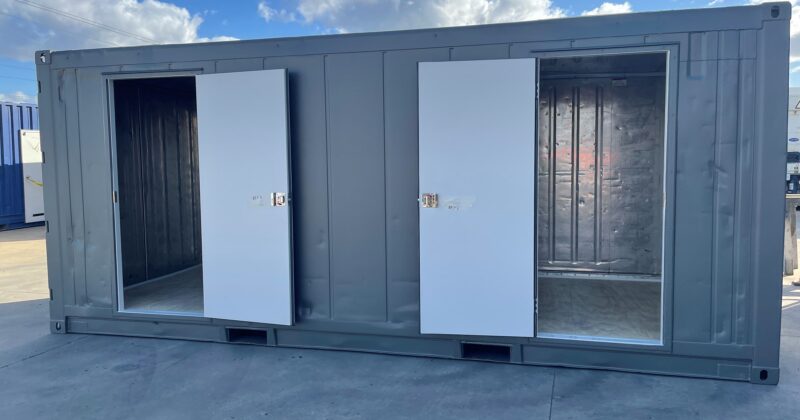
In complex event environments, storage and transport need to be planned just as carefully as the movements of attendees. Across Australia, this is where shipping containers have evolved from simple transport vessels into an essential component of modern event logistics.
From small pop-ups, large-scale festivals and corporate summits, shipping containers provide a reliable way to move, store, and manage equipment as it travels between locations – whether that’s locally or interstate. They allow logistics teams to consolidate their assets into a single, secure footprint, enabling them to stage deliverables and protect critical materials throughout the stages of bump-in, live ops and the final pack-down.
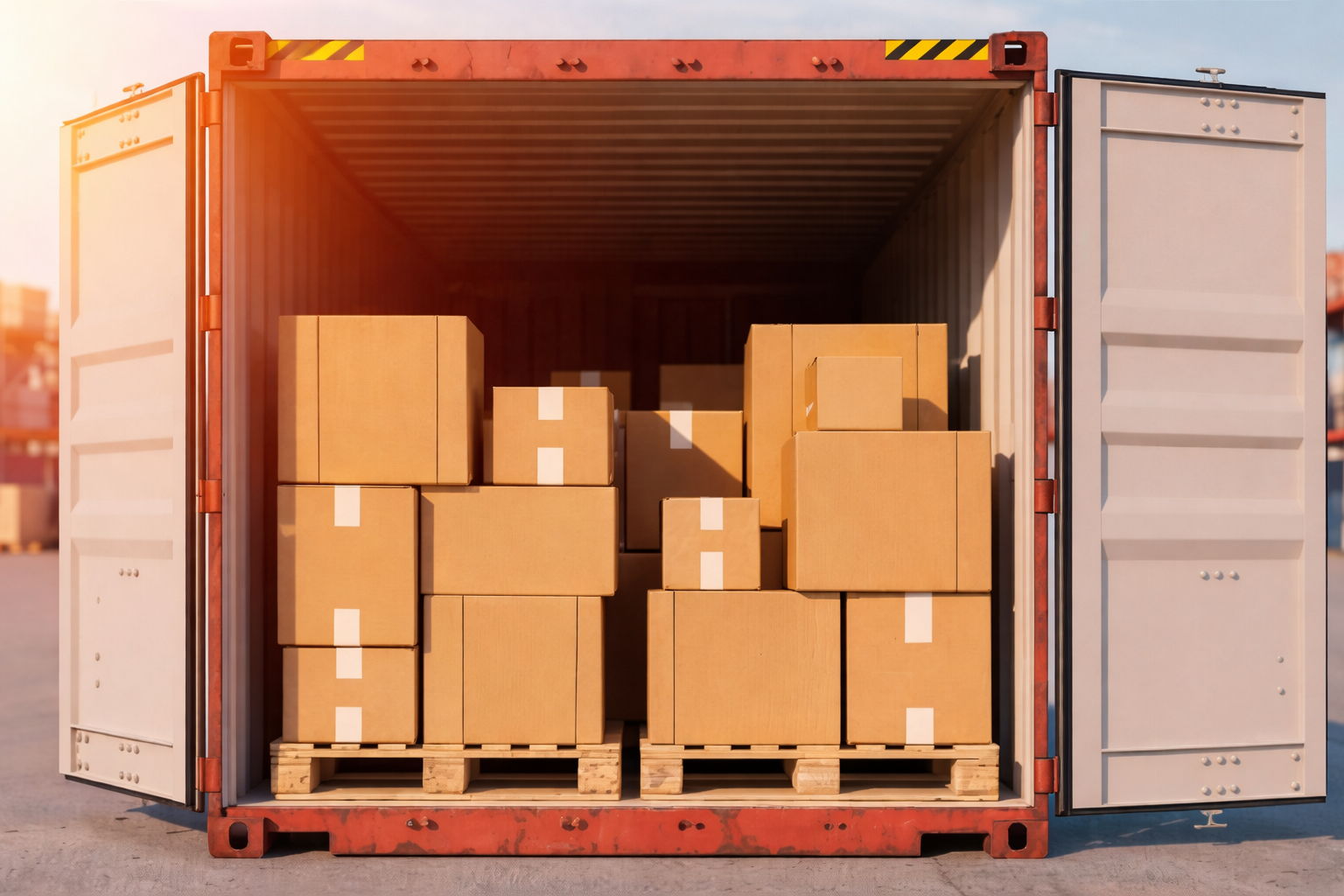
When timelines are tight and busy, shipping containers help reduce unnecessary handling and last-minute movements. This is especially valuable for:
- Multi-day events that require secure storage in Australia.
- Interstate projects that involve moving between hubs like Sydney, Melbourne and other capital cities.
- International projects that involve moving across sea to locations within Australia.
- Regional or country locations with limited access to traditional warehousing facilities.
By factoring shipping containers into event logistics’ planning early, logistics professionals can find greater efficiencies in their workflow. Using containers helps maintain order and control, which directly impacts the overall transportation outcomes and reduces risk of any asset damage that could occur in transit.
FAQ
What is event logistics?
Event logistics is the organisation and coordination of operational requirements needed to support an event, from its inception to bump-out.
Where does event logistics operate in Australia?
Event logistics operates nationwide and almost everywhere you can think of. It may be within the main corporate hubs of Melbourne, Sydney or Brisbane, or based in regional parts of NSW, VIC or Western Australia.
What types of events are involved?
Event logistics in Australia is a broad field. It covers everything from an small business function in a dining hall, to large public spectacles that can stop traffic in our major cities. This can include, but not limited to: large-scale exhibitions and trade shows, major sporting events, festivals and public activations, to corporate functions and epic hospitality parties and business conferences or summits.
Is event logistics a flexible role?
Yes! It definitely can be. Event logistics is often operates flexibility, depending on the organisation and the event schedule. Sometimes, festivals or biennales can take a whole year of planning – depending on the complexity and scale of the event. You can even volunteer for specific festivals or community-led events within Australia, and gain hands-on experience with flexibility in mind.
What types of professionals’ work in the event logistics industry in Australia?
Event logistics within Australia attracts a truly diverse workforce every year, yet every person in the field shares a common goal: a genuine passion for the art of the event. This industry is built for person who loves the thrill of putting on a major production and finds satisfaction in seeing complex, high-pressure projects come to life.
This could be a role for someone who is a natural problem-solver, experience in freight and business operations, or someone who has previously worked in event coordination or communications.
How do I learn more or find opportunities or work in event logistics?
The event industry is constantly evolving, with brand new projects and challenges emerging every year. If you’re looking to join a new exciting field or expand your business reach, you can find updated information and opportunities exploring dedicated “Event Logistics Australia” roles and networking with industry veterans.
For those looking to work in this space, gaining hands-on experience is effective way to understand how exciting and complex running an Aussie event can be. Many organisations offer entry-level or volunteer positions for a wide range of events, from small community festivals to massive international exhibitions. Engaging in these types of opportunities is an excellent way to find out where your interests lie, and work out if the fast-paced event logistics industry is the right fit for you.